Boarding a new-build loft, done properly
Trussed roofs and deep insulation need a different approach. Here's how we do it.
Why new-build lofts are different
Trusses
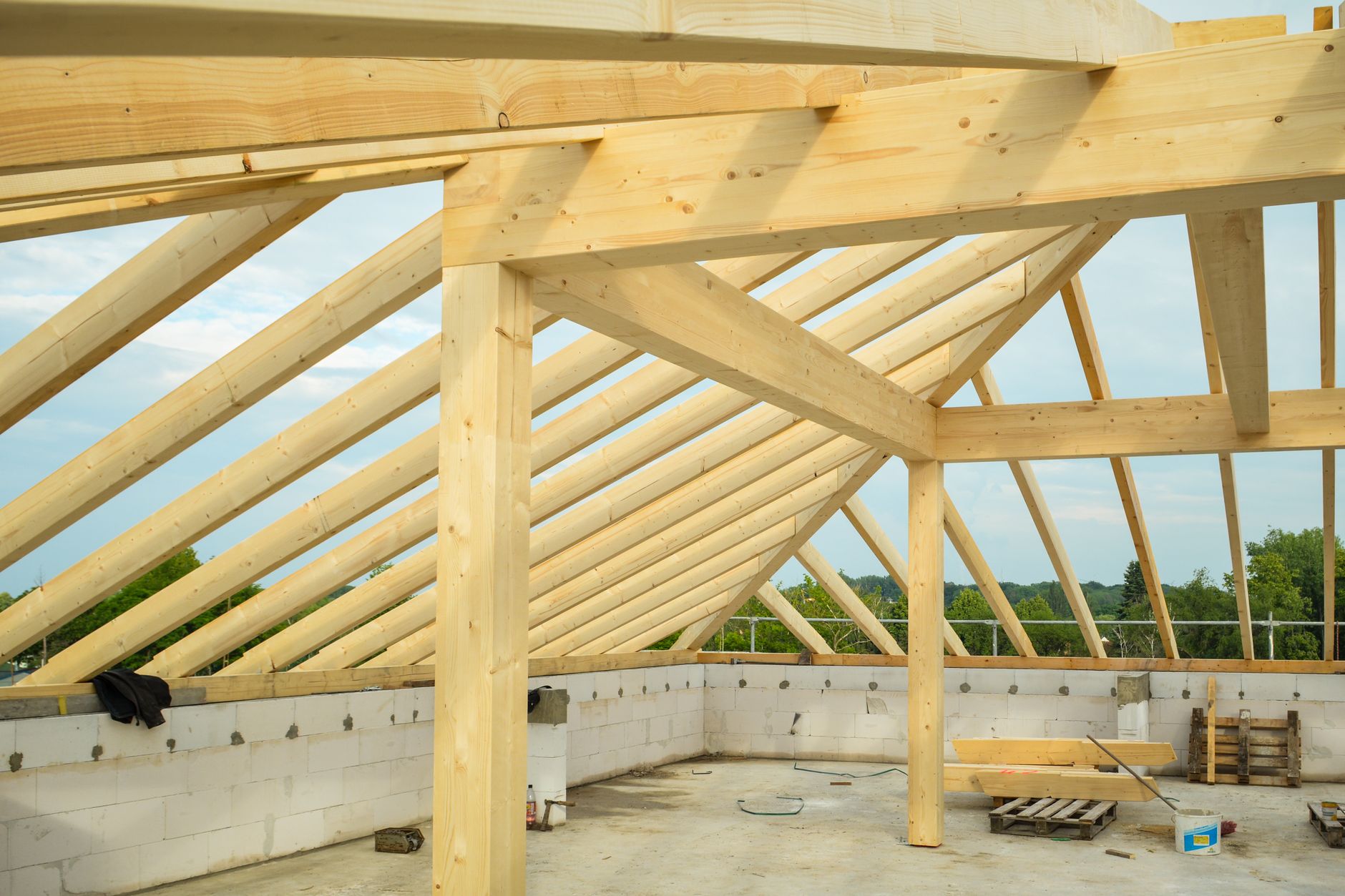
Most newer houses have W-shaped roof timbers (trusses). Each piece holds the roof up, so they must never be cut or have weight added beyond what they're designed for.
Deep insulation
New builds usually have 270 mm or more of insulation, far deeper than the joists.
Small hatches
New-build hatches are often small, and they're not always in the most useful spot.
How we board them
Raised legs
Raised legs lift the boards clear of the insulation.
We board between the trusses
Never cutting or notching them.
Light storage only
We keep it to storage of light items, which is what the roof timbers are designed to carry.
Your warranty
Many people worry that boarding will affect their NHBC or other new-build warranty. Check your warranty documents, or ask your builder, before any work is done. Boarding that doesn't cut the timbers or squash the insulation is the usual way to stay within the rules. We'll talk it through at the loft check.
Questions people ask
Can you board a loft with trusses?
Yes, between the trusses, with raised legs and without cutting any timber.
Will it affect my NHBC warranty?
Check your warranty terms first. We use raised boarding that leaves the timbers and insulation alone, which is the usual approach for new builds.
How much can I store?
Light storage only: boxes, cases and decorations. Keep heavy items out of a trussed loft.
Get a price in 1 minute
Or call 07893 950989.